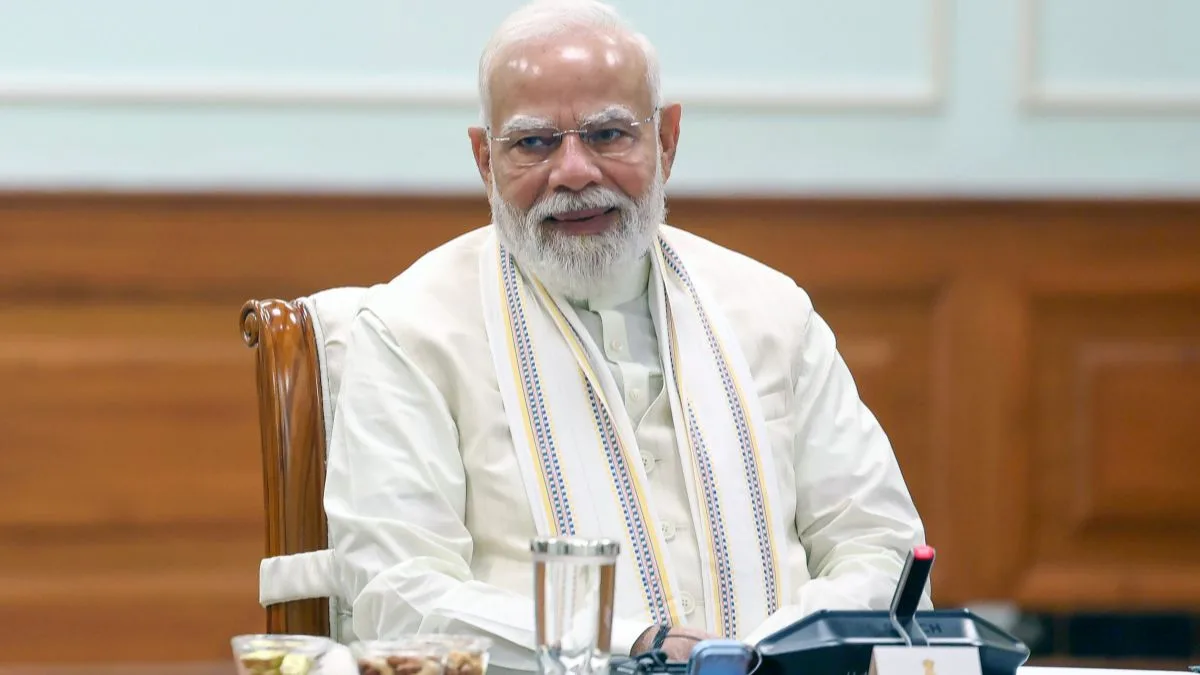
Canada-based Punjabi scales Mount Everest
Deputy Commissioner Faridkot Rahul Chaba felicitated Dhaliwal during a special ceremony and congratulated him on conquering the world’s highest peak.
The survival of Dawa Sherpa on Mount Everest last week will inevitably be celebrated as a miracle.




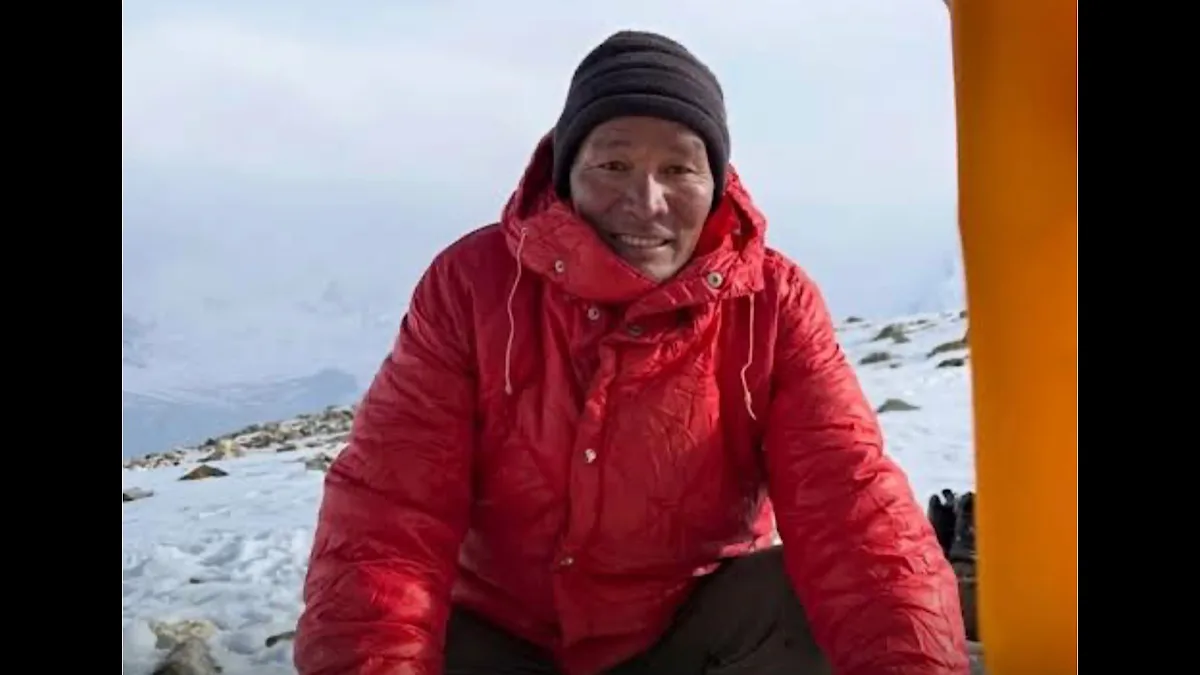
Dawa Sherpa on Mount Everest (photo:Instagram)
The survival of Dawa Sherpa on Mount Everest last week will inevitably be celebrated as a miracle. It was. Yet reducing the episode to a tale of human endurance risks obscuring a more uncomfortable reality about what Everest has become in the twenty-first century. For decades, the world’s highest peak symbolised the outer limits of human exploration. Today, it is more a commercial industry. Hundreds of climbers from across the globe pay substantial sums each year to pursue a summit photograph, creating an ecosystem of expedition operators, guides, support staff and logistics providers.
At the centre of this ecosystem stand the Sherpas, whose labour, skill and local knowledge make the aspirations of others possible. The irony is that while the climbers often receive the publicity, it is the Sherpas who bear a disproportionate share of the risk. They carry equipment through dangerous icefalls, establish routes, transport oxygen cylinders and repeatedly move between camps at altitudes where the human body is steadily deteriorating. The dangers they face are not limited to avalanches and crevasses. Exhaustion, oxygen shortages and sudden weather changes can turn routine movements into life-threatening situations.
Advertisement
The episode is also a reminder that Everest’s greatest asset is not technology or infrastructure but the experience, judgement and resilience of Sherpa communities. Dawa Sherpa’s ordeal demonstrates how fragile survival remains above what mountaineers call the “death zone”. Modern equipment, satellite communications and commercial organisation have undoubtedly improved safety, but technology cannot repeal geography. At extreme altitude, rescue itself becomes uncertain. Helicopters face operational limits. Ground teams must contend with the same hazards confronting those they are attempting to save. There comes a point where even the best-equipped expedition cannot guarantee recovery.
Advertisement
That reality should prompt reflection as Everest records some of its busiest climbing seasons. More climbers mean more revenue for Nepal’s mountain economy, but they also mean greater pressure on routes, camps and rescue systems. Congestion near summit approaches has repeatedly been linked to delays, oxygen depletion and fatalities. The challenge for authorities is not merely to maximise tourist numbers but to ensure that growth does not outpace safety. The broader lesson extends beyond mountaineering.
Modern society often assumes that every risk can be managed through technology, planning and money. Everest remains a powerful reminder that some environments still operate according to their own rules. Human beings can prepare, adapt and persevere, but they cannot eliminate uncertainty. Dawa Sherpa’s survival deserves admiration because it represents exceptional courage and resilience in circumstances where the odds were overwhelmingly against him. Yet the most important question raised by his experience is not how one man survived. It is whether the institutions and commercial practices surrounding the world’s most famous mountain are evolving quickly enough to protect those whose work makes the Everest dream possible for everyone else.
Advertisement